


Auto insurance helps pay for injuries, property damage, and vehicle losses connected to driving. In Pickens, SC, certain coverage is required by law, while other protections are optional but may be valuable depending on the vehicle, household finances, and driving habits.
Understanding the difference between required and optional coverage makes it easier to recognize what a policy may—and may not—pay for after a crash, theft, storm, or other incident.
What does auto insurance usually cover?
Most auto policies combine several separate coverages. Each one serves a different purpose:
- Bodily injury liability may pay for injuries or deaths caused to other people when the insured driver is legally responsible for a crash.
- Property damage liability may pay for damage caused to another vehicle, fence, building, utility structure, or other property.
- Uninsured motorist coverage may help if the at-fault driver has no insurance or leaves the scene.
- Underinsured motorist coverage may help when the at-fault driver has insurance, but the available limits are not enough to cover the injured person’s losses.
- Collision coverage may pay for damage to the insured vehicle after it collides with another vehicle or object.
- Comprehensive coverage may pay for many types of non-collision damage, such as theft, fire, vandalism, flooding, falling objects, severe weather, or an animal strike.
- Medical payments coverage may help pay medical expenses for covered people injured in a vehicle-related accident, subject to the policy terms.
- Rental reimbursement and towing coverage may help with transportation or roadside expenses when those options are included.
A policy does not automatically include every type of protection. The declarations page usually shows which coverages apply, the limits selected, and the deductibles that must be paid before certain benefits apply.
What auto insurance is required in South Carolina?
South Carolina requires drivers to carry liability insurance and uninsured motorist coverage. The standard minimum liability limits are:
- $25,000 for bodily injury to one person
- $50,000 for bodily injury to two or more people in one accident
- $25,000 for property damage in one accident
These limits are often described as 25/50/25.
Liability coverage protects other people from losses caused by the insured driver. It does not generally pay to repair the insured driver’s own vehicle after an at-fault collision.
Uninsured motorist coverage is different because it protects the insured person in certain situations involving an uninsured driver or a hit-and-run driver. South Carolina generally includes a deductible for uninsured-motorist property damage claims. Policy details can vary, so the declarations page and policy language control.
Underinsured motorist coverage is not mandatory, but it may be available as an optional protection. This coverage can matter when medical treatment, lost income, vehicle damage, or other losses exceed the at-fault driver’s liability limits.
What is liability insurance, and why does it matter?
Liability insurance pays for covered losses that the insured driver legally causes to someone else. It may also provide a legal defense if the other person files a claim or lawsuit alleging negligence.
For example, a distracted driver strikes another vehicle on a local roadway. The other driver may have medical expenses, lost wages, and vehicle damage. Bodily injury liability may respond to covered injury claims, while property damage liability may address repairs to the other vehicle or damaged structures.
The minimum limits are legal requirements, not guarantees that every serious accident will be fully paid. A major crash involving multiple people can create losses greater than the policy limits. If that happens, the responsible driver may remain personally exposed for amounts not covered by insurance.
That is one reason some households choose limits higher than the minimum. The appropriate amount depends on personal finances, assets, income, vehicle use, and tolerance for risk.
Does auto insurance pay for damage to your own car?
Not always. Damage to the insured vehicle generally requires collision or comprehensive coverage.
Collision coverage commonly applies when a vehicle hits another vehicle, a tree, guardrail, mailbox, or similar object. It may also apply when the vehicle overturns. A deductible usually applies.
Comprehensive coverage addresses many non-collision events. In a community affected by changing weather conditions, heavy rain, falling branches, flooding in certain areas, and animal encounters may be practical concerns. Comprehensive coverage may also apply to theft, vandalism, fire, and broken glass, depending on the policy.
If a vehicle is damaged beyond repair, the insurer may treat it as a total loss. Payment is generally based on the vehicle’s actual cash value rather than the amount originally paid for it. A deductible may be subtracted, and a loan or lease balance may still exceed the vehicle’s value.
Collision and comprehensive coverage are usually optional under state law, but a lender or leasing company may require them until the vehicle is paid off.
What does auto insurance not cover?
Coverage depends on the policy, exclusions, and circumstances of the loss. Common misconceptions include:
- Liability insurance usually does not repair the insured driver’s vehicle.
- Collision coverage generally does not pay for routine maintenance, mechanical breakdown, or normal wear.
- Comprehensive coverage does not mean every possible loss is covered.
- Personal belongings inside a vehicle may fall under a homeowners or renters policy rather than auto insurance.
- A policy may restrict coverage when a vehicle is used for certain business, delivery, racing, or other excluded purposes.
- Insurance may not apply when a driver is excluded from the policy or when required information about vehicle use is inaccurate.
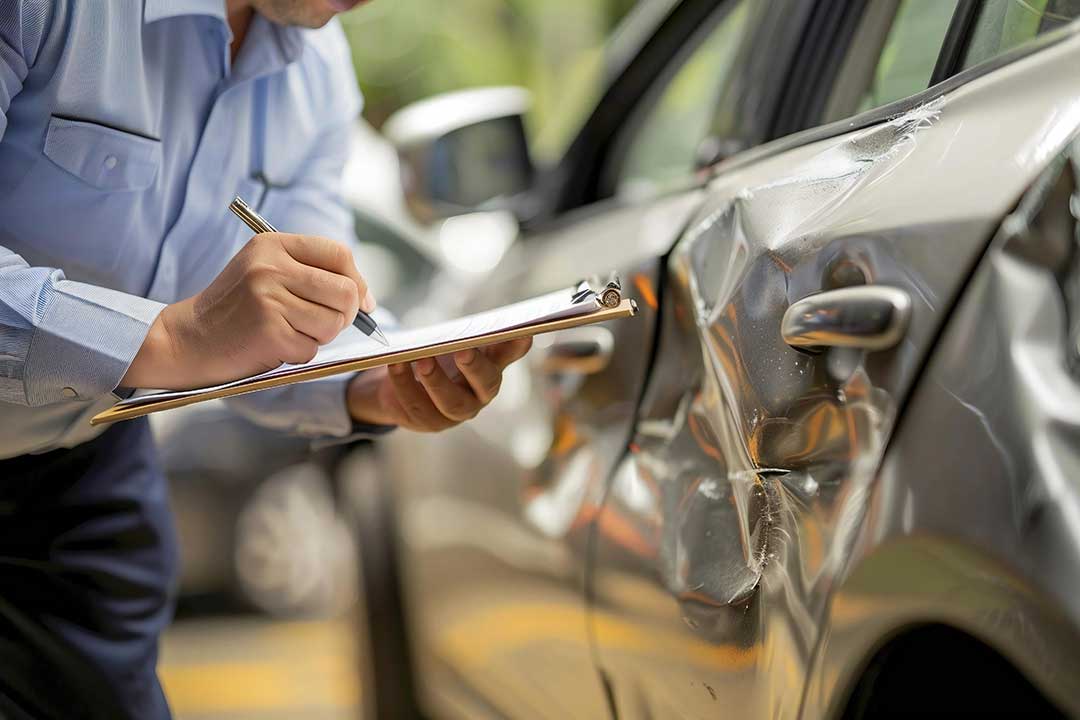
A deductible is also not the same as an exclusion. A deductible is the amount the policyholder pays toward a covered loss. An exclusion means the policy does not cover that type of loss under the stated circumstances.
Why do you need auto insurance beyond the legal requirement?
Auto insurance serves several purposes beyond satisfying registration or driving requirements.
First, it helps protect other people from the financial effects of a crash. Medical care, vehicle repairs, damaged property, and legal claims can become expensive quickly.
Second, insurance protects the household’s finances. Without coverage, a driver may have to pay directly for another person’s injuries or property damage. In serious cases, that responsibility can affect savings, wages, and other assets.
Third, uninsured motorist coverage provides a layer of protection when the other driver cannot pay. Even when a driver follows the law, not every person involved in a crash will have adequate insurance.
Finally, physical damage coverage may protect a vehicle that is necessary for work, school, caregiving, medical visits, and daily errands. This can be especially relevant for households with one primary vehicle or limited access to alternate transportation.
What should Pickens residents review on an auto policy?
A policy review is useful after a major change, such as buying or selling a vehicle, moving, adding a driver, changing commuting patterns, paying off a loan, or beginning regular business use of a vehicle.
Check these items:
- Liability limits and uninsured motorist limits
- Collision and comprehensive deductibles
- Whether every household driver is listed correctly
- Whether the vehicle’s use is accurately described
- Rental, towing, and medical payments coverage
- Whether a lender or lease company is listed correctly
- Whether the policy still reflects the vehicle’s current value and condition
Keeping proof of insurance accessible and reporting accidents promptly can also help avoid preventable delays. For a legal dispute, serious injury, or uncertain coverage situation, policy language and applicable South Carolina law should be reviewed carefully because the facts of each claim matter.